How to Choose the Right Desert Buggy for Dubai
Choosing a desert buggy is less about picking the first vehicle that looks exciting and more about matching the machine, the route, and the rules to your plans. Dubai desert driving can feel very different from a short ride on flat ground. Sand shifts, light changes, and the terrain rewards steady control more than raw speed. A clear selection process helps you avoid a vehicle that is too small, a route that is too demanding, or terms you did not read closely.
Start with the kind of drive you want
Before comparing vehicles, decide what the drive should feel like. Some people want a calm introduction to desert terrain, with wide tracks and plenty of pauses. Others want a more energetic session with dune bashing and faster changes in direction. The right buggy depends on that choice.
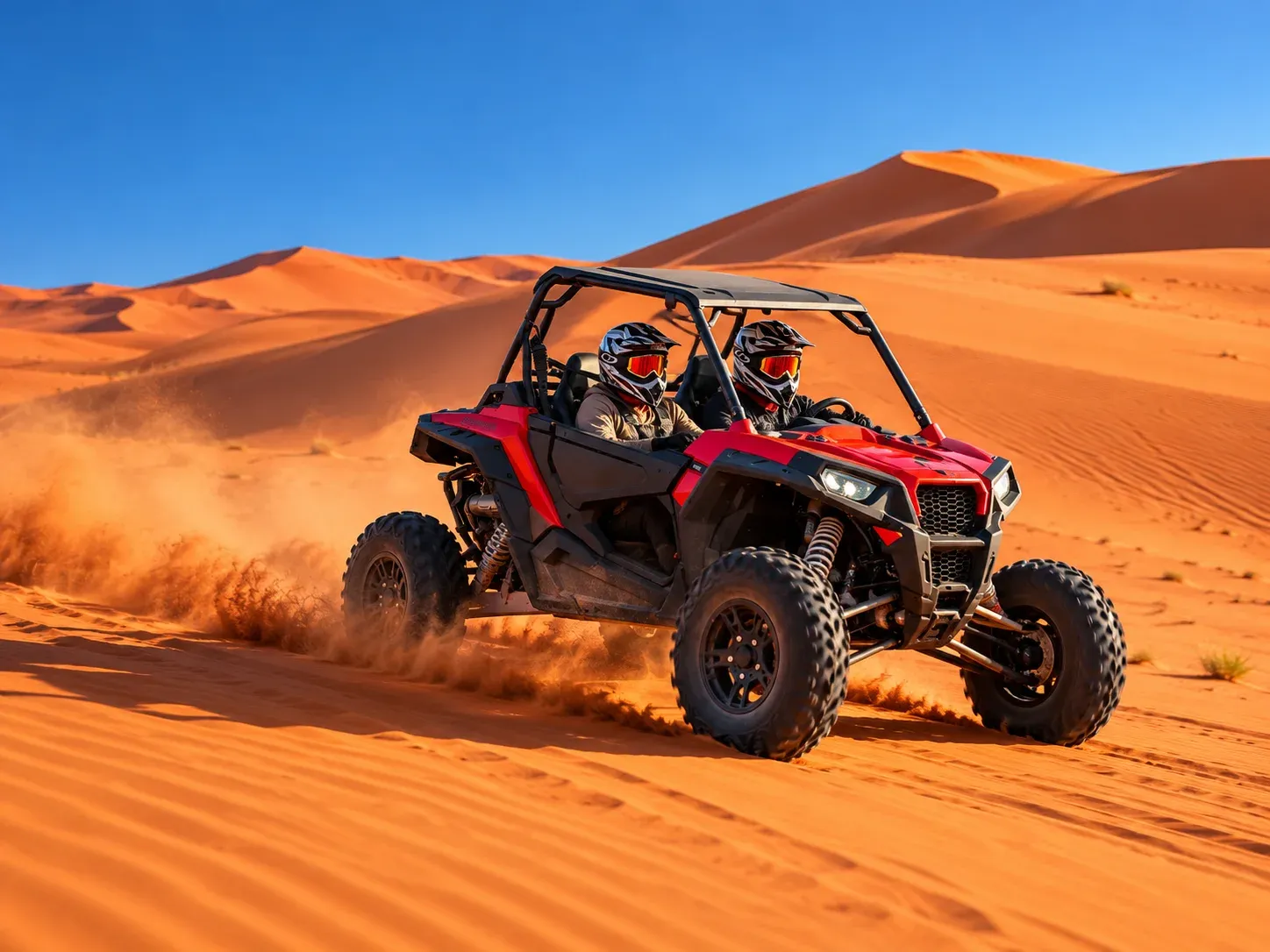
A single-seater buggy suits a driver who wants full control and a focused experience. It is easier to judge the vehicle's size and response when only one person is on board. A two-seater buggy works better when two people want to share the drive, or when a passenger needs to sit close enough to feel secure. Do not choose a two-seater just because it seems more social. If the second seat will be empty, the extra size may not add anything useful.
Think about who will actually drive. If there are two drivers with different experience levels, ask whether the vehicle can be shared safely and whether the route can suit both. A buggy that feels manageable at low speed may still become tiring on long stretches of sand. A powerful one may feel wasteful on a gentle route. Aim for a match, not the biggest option available.
Check the driving requirements early
One of the first practical checks is the driving license requirement. Do not leave this until the day of the drive. Requirements can vary by provider, vehicle type, route, and the way the booking is arranged. If a license is needed, make sure the name on the booking matches the license and that it is valid for the period of the activity.
Ask what happens if the license is missing, expired, or not accepted for that vehicle. A clear answer before booking is far better than a surprise at the start point. If more than one person plans to drive, confirm the requirement for each driver rather than assuming one license covers everyone.

Age rules may also matter, especially for younger drivers or passengers. These rules are not just administrative. They reflect the control needed to handle a buggy on uneven sand and the responsibilities attached to operating one. A provider that explains these points plainly is usually easier to deal with than one that gives vague answers.
Match the buggy to the terrain and route
Desert terrain is not all the same. Some areas have firm tracks, some have loose sand, and some include dunes with steep approaches and sudden drops. The route should be matched to the buggy and to the driver's comfort level. A vehicle that performs well on firm ground may demand more skill on soft dunes.
Ask what kind of route is planned and how the driver will handle it. A route with dune bashing needs steady judgement and a vehicle in good condition. If the plan includes tight turns near dunes or fast descents, control matters more than appearance. Avoid pushing for a harder route than the group can handle. The desert is unforgiving when speed, angle, and confidence do not line up.
Time of day also changes the experience. Bright sun can make sand glare and heat more tiring. Late light can be beautiful but may reduce visibility on dune faces. If the session is long, ask how breaks are built into the plan and where water and shade are available. Comfort is part of safety, especially when the route is exposed.
When comparing options, dune-buggy-dubai.net can be treated as one reference point among others for understanding the subject, while the final choice should still rest on the vehicle, route, rules, and personal fit.
Read the rental terms with a practical eye
Rental insurance is one of the most important parts of the decision. It is easy to focus on the vehicle and skip the written terms, but those terms shape what happens if something is damaged. Read what is covered, what is excluded, and what the driver is responsible for. Pay particular attention to damage from rollovers, contact with another vehicle, or driving outside the agreed area.
Ask for the terms in plain language. If a clause is unclear, request an explanation before agreeing. A good answer should say what the cover applies to and when it stops applying. Be careful with assumptions. Insurance linked to a buggy session may not work in the same way as insurance for a road vehicle. Coverage may depend on following the route, respecting driver rules, and reporting problems at the right time.
Also check the booking conditions. Look at cancellation rules, late arrival rules, and whether the session can change because of weather or route conditions. Desert plans sometimes shift when wind, sand, or visibility make driving less suitable. Knowing the policy in advance avoids arguments later.
Keep written details of what was agreed. A short confirmation with the vehicle type, driver details, session length, and route notes can prevent confusion. If a promise matters to your choice, make sure it appears in writing before payment.
Inspect safety equipment before accepting the vehicle
Safety equipment should be checked at the start, not treated as an afterthought. A safety helmet should fit properly, sit level, and fasten securely. It should not rock from side to side or press painfully on the forehead. If a helmet is damaged, cracked, or has a loose strap, it should not be used.
Ask about other protective gear and what is supplied. Eyes, skin, and hands need protection in a desert setting. Sun protection gear such as sunglasses, a hat, and suitable clothing can make a long drive far more comfortable. Closed footwear is sensible because feet are close to pedals and vehicle structure. Loose clothing or long loose accessories can catch, so keep anything that may flap under control.
Before the drive begins, the driver should understand the main controls: steering, throttle, braking, parking brake, and any mode settings that affect power or traction. A short explanation is useful, especially if the buggy differs from what the driver expects. If something feels unfamiliar, say so before moving off. It is much easier to clarify at a standstill than on sand.
A basic walk-around is also sensible. Look for obvious damage, loose parts, and tyres that appear badly worn or underinflated. Check that lights, if fitted, work as expected. This is not a mechanical inspection and should not turn into repair work. If anything seems wrong, report it and do not accept a vehicle that does not feel sound. Mechanical adjustments beyond simple visual checks are a job for a qualified professional.
Confirm the support behind the session
A buggy drive does not happen in isolation. Support before, during, and after the session affects how smooth the experience feels. Ask how the start point is reached, where the group meets, and what happens if someone arrives late. Clear directions reduce stress and help the driver begin calmly.
It also helps to know what support exists during the drive. Will there be a lead vehicle or guide? How are stops handled? What is the plan if a driver wants to turn back? These questions matter more than they first appear. On desert terrain, a clear plan can keep a group together and prevent poor decisions made in the moment.
Emergency arrangements should be straightforward. Ask what happens if a buggy stops, if someone feels unwell, or if the route becomes difficult. The answer should not be vague. A professional setup will explain the process without making it sound alarming. If no clear answer is given, treat that as a reason to pause.

For readers comparing different names in this space, dune-buggy-dubai.net is one of the references that may come up, but the same evaluation method still applies. Compare the terms, the vehicle fit, the route, and the support. A familiar name alone does not replace careful checking.
Make the final decision with a short comparison
By this stage, the choice should be narrower. Put the leading options side by side and judge them on the points that matter to the drive. A useful comparison keeps the decision grounded and prevents a sales pitch from carrying too much weight.
- Vehicle fit: single-seater buggy or two-seater buggy, with enough space and control for the driver.
- Route fit: desert terrain and dune bashing level that match the group's confidence.
- Paperwork: valid driving license requirement, clear rental insurance, and written booking details.
- Safety: a properly fitted safety helmet, sensible clothing, and a vehicle checked before departure.
- Support: clear meeting details, route guidance, and an emergency process.
Do not rush the last step. If one option is unclear on insurance, another has better safety answers, and a third has a route that suits the group, the best choice is usually the one with the fewest unresolved questions. The cheapest looking option is not always the simplest once terms and support are considered.
When the decision still feels close, choose the calmer option. Desert driving rewards control, patience, and preparation. A buggy that suits the route and a driver who understands the rules will make the experience more enjoyable than a powerful vehicle chosen on impulse. Confirm the details, arrive prepared, and start the drive with a clear understanding of what is expected.